
Comfort at home is rarely the result of a single decision. It’s not created by one renovation, one purchase, or one moment of motivation. Instead, it’s built quietly through habits that repeat day after day. The way surfaces are wiped down, rooms are aired out, and minor issues are addressed before they escalate all shape how a home feels over time. These routines often fade into the background, yet they have a lasting impact on how livable a space remains.
Most people don’t describe these actions as strategies. They’re simply part of getting through the day. A quick cleanup before guests arrive, a reset at the end of the evening, or keeping a few reliable home care products within reach so small messes don’t turn into lingering problems. These choices aren’t about perfection or aesthetics. They’re about maintaining a baseline of comfort that makes daily life feel manageable rather than chaotic.
What’s easy to miss is how strongly this baseline influences long-term well-being. Homes that are maintained consistently tend to feel calmer, easier to use, and less demanding. Over time, that ease becomes part of how people experience their living environment, even if they can’t pinpoint why it feels better than another space that looks similar on the surface.
Why Comfort Depends on Consistency More Than Intensity
A common misconception in home maintenance is that effort must be intense to be effective. In reality, consistency matters far more. Deep cleans and large interventions can temporarily reset a space, but they rarely hold unless supported by smaller, ongoing actions.
This pattern shows up clearly indoors. Dust, residue, and odors don’t appear overnight. They accumulate slowly through everyday use. When small responses are built into routines, they interrupt that buildup before it becomes noticeable. When they aren’t, problems compound until they demand far more effort to resolve.
The same principle applies outdoors, particularly as seasons change. After winter, lawns often show signs of stress that aren’t dramatic but are easy to spot if you’re paying attention. Thinner patches, uneven color, or slower growth are signals rather than failures. Addressing those signals early, often by choosing the best spring grass seed for existing conditions, supports gradual recovery instead of forcing correction later in the year.
In both cases, the goal is the same: restore balance before discomfort sets in. When maintenance stays proportional, comfort becomes stable rather than something that has to be constantly regained.
How Outdoor Conditions Shape Indoor Comfort
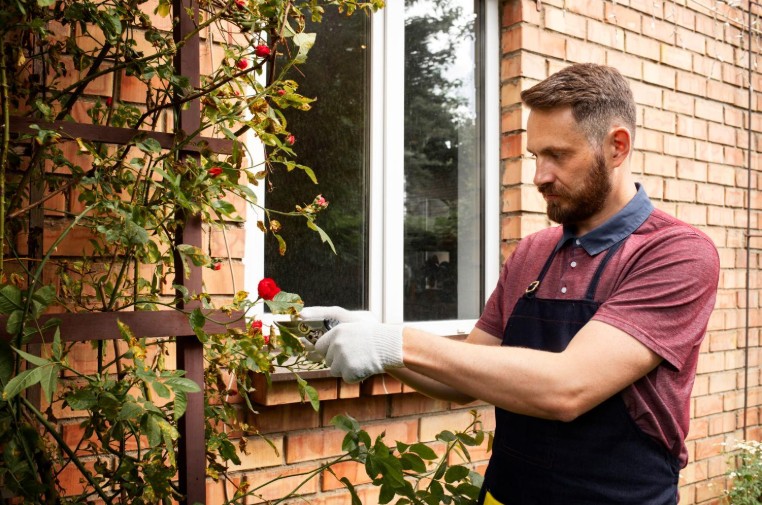
It’s easy to think of outdoor maintenance as separate from indoor living, but the two are closely linked. The state of outdoor spaces affects how people use their homes and how comfortable they feel inside them.
When yards and green areas feel neglected, people tend to retreat indoors. When those spaces feel healthy and usable, daily life expands outward. Windows open more often, meals move outside, and the boundary between interior and exterior becomes more fluid. That shift changes airflow, light exposure, and even how crowded indoor spaces feel.
Environmental research supports this connection. The Environmental Protection Agency has noted that access to functional outdoor environments contributes to overall comfort and quality of life, particularly in residential settings. While this is often discussed at an urban or neighborhood level, the same dynamics play out at home.
When outdoor areas are inviting, indoor spaces benefit indirectly. Comfort becomes distributed rather than concentrated, reducing wear on interior environments and supporting healthier daily rhythms.
The Role of Maintenance in Mental Ease
Comfort isn’t purely physical. It’s also cognitive. Spaces that require constant attention drain focus and patience, even if the issues are minor. A home that feels under control frees mental energy for other things.
This is where everyday maintenance habits matter most. When routines are simple and predictable, they reduce decision fatigue. People don’t have to constantly ask themselves what needs fixing or cleaning next. The environment stays within an acceptable range without demanding active management.
Psychological studies consistently link orderly environments with reduced stress and improved focus. While perfection isn’t necessary, predictability is. Homes that recover quickly from use feel supportive rather than demanding, especially during busy or stressful periods. With Kitchen Remodeling in Moorpark, CA, homeowners can transform outdated kitchens into modern gathering spaces. Contractors focus on open layouts, energy-efficient appliances, and premium materials to deliver a kitchen that enhances convenience and complements California-inspired interiors.
Public health organizations echo this perspective. The World Health Organization has highlighted the influence of indoor environments on overall well-being, particularly as people spend a growing proportion of their time at home. Comfort, in this sense, isn’t a luxury. It’s a condition that supports daily functioning.
Why Seasonal Awareness Prevents Bigger Problems
One of the most effective maintenance skills is seasonal awareness. Homes exist within natural cycles, even when much of life happens indoors. Temperature shifts, daylight changes, and biological growth patterns all affect how environments behave.
Spring is a clear example. It’s a period of transition rather than stability. Acting during this window often requires less effort than trying to correct issues later. Grass that’s supported early grows more evenly. Indoor air that’s refreshed regularly feels lighter as homes shift out of winter habits.
Agricultural guidance reinforces the importance of timing. The United States Department of Agriculture emphasizes that early, condition-based actions lead to more sustainable outcomes than delayed interventions. While this guidance is aimed at land management, the principle applies just as clearly to residential environments.
Homes respond best when maintenance aligns with natural asbestos survey rhythms rather than working against them.
Comfort as a Long-Term Outcome
The most comfortable homes aren’t the newest or the most meticulously designed. They’re the ones where maintenance supports use instead of interrupting it. Over time, small, repeatable actions create environments that feel stable, adaptable, and easy to live in.
This kind of comfort doesn’t announce itself. It’s noticed when it’s missing, not when it’s present. People feel it in how easily spaces reset after use, how rarely small issues escalate, and how little effort is required to keep things feeling normal.
By focusing on everyday maintenance rather than occasional overhauls, homeowners build resilience into their spaces. Comfort becomes an outcome of consistency, not a reward for effort. And that consistency is what allows homes to support daily life quietly, season after season.