
Modern conversations around health increasingly recognize that physical comfort isn’t determined by a single workout, treatment, or purchase. Instead, it’s shaped gradually by the small choices people make every day. Long hours at a desk, repetitive movements, stress, and limited recovery time can quietly contribute to stiffness and discomfort that build over time.
In response, many individuals are becoming more intentional about how they support their bodies, from improving posture and movement patterns to exploring topical wellness options they encounter online, including brands such as Medterra, which offers creams designed for targeted, everyday use as part of comfort-focused routines. What ultimately matters most, however, is how daily habits work together to support long-term physical wellbeing.
The Cumulative Effect of Daily Routines
Physical discomfort rarely appears overnight. It often develops gradually as a result of repeated behaviors that place strain on the body. Sitting for extended periods, favoring one side while carrying bags, or using devices at awkward angles can all contribute to muscle imbalances and joint stress.
Because these habits are so common, their impact is easy to overlook. Over time, though, the body adapts in ways that may limit mobility or create persistent tension. Recognizing this cumulative effect is the first step toward improving comfort. Small adjustments, when applied consistently, can help counterbalance years of unconscious strain.
Movement Patterns Matter More Than Intensity
When people think about physical health, they often focus on exercise intensity rather than movement quality. While structured workouts are valuable, everyday movement patterns play an equally important role in how the body feels.
Standing up regularly, walking short distances, and changing positions throughout the day help maintain joint mobility and circulation. These simple actions reduce stiffness and prevent muscles from becoming locked into shortened positions. Over time, gentle, consistent movement supports comfort more effectively than occasional bursts of intense activity.
Posture and Ergonomics in Daily Life
Posture is one of the most influential yet underestimated factors in physical comfort. Whether working at a desk, driving, or relaxing on the couch, body alignment affects how weight and pressure are distributed across muscles and joints.
Minor ergonomic improvements, such as adjusting chair height, positioning screens at eye level, or supporting the lower back, can significantly reduce strain. These changes don’t require expensive equipment; they rely on awareness and thoughtful setup. Over time, better posture helps prevent the accumulation of tension that leads to discomfort.
Stress and Its Physical Impact
Physical comfort is closely linked to emotional and mental stress. When stress levels remain high, the body often responds with increased muscle tension, shallow breathing, and reduced recovery. Common areas affected include the neck, shoulders, and lower back.
Managing stress through breathing exercises, short breaks, or relaxation practices can ease this tension. When the nervous system shifts out of a constant state of alertness, muscles are better able to relax, and the body can recover more effectively. Addressing stress isn’t just beneficial for mental wellbeing; it plays a direct role in physical comfort.
Sleep as a Foundation for Recovery
Sleep is one of the most powerful tools for maintaining physical comfort, yet it’s often undervalued. During sleep, the body repairs tissues, regulates inflammation, and restores energy levels. Poor sleep quality can interfere with these processes, making it harder for the body to recover from daily strain.
Establishing consistent sleep routines, creating a comfortable sleep environment, and allowing sufficient time for rest all support recovery. Over time, better sleep habits contribute to improved mobility, reduced stiffness, and greater overall comfort during waking hours.
Nutrition and Hydration Support the Body
What the body receives through food and hydration influences how muscles and joints function. Inadequate hydration can contribute to muscle tightness, while inconsistent eating patterns may affect energy levels and recovery capacity.
Balanced meals, regular hydration, and attention to nutrient intake support the body’s ability to respond to physical demands. These habits don’t need to be complex or restrictive to be effective. Consistency matters more than perfection, and small improvements can lead to noticeable changes in how the body feels.
Recovery Beyond Exercise
Recovery is often associated with athletic training, but it’s equally relevant for everyday life. Household tasks, commuting, and prolonged sitting all place demands on the body that require recovery.
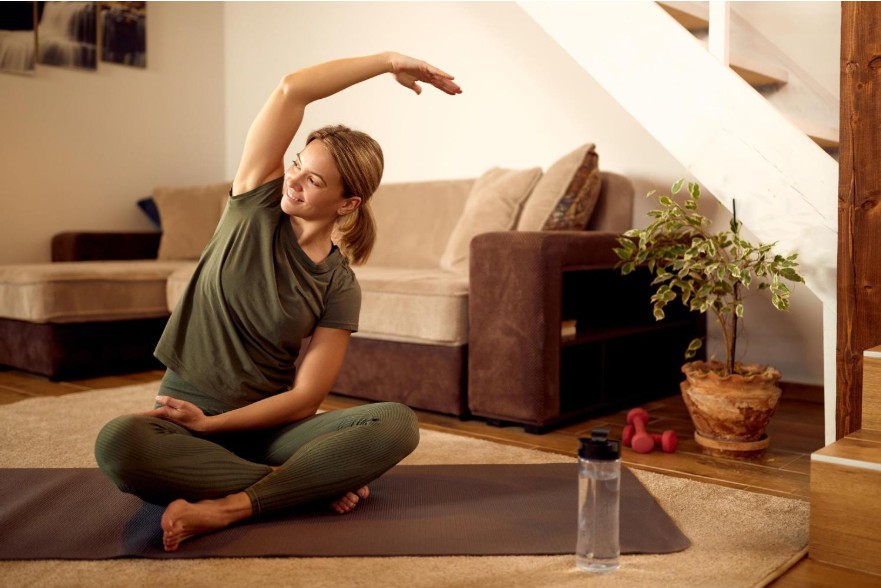
Incorporating gentle stretching, mobility exercises, or brief periods of rest into daily routines helps address this ongoing strain. Recovery becomes most effective when it’s treated as a regular practice rather than an occasional response to discomfort.
Health guidance from the Cleveland Clinic emphasizes that proactive movement, adequate rest, and early attention to muscle and joint strain can help reduce the risk of long-term discomfort and support sustained mobility. This perspective reinforces the idea that recovery works best when it’s built into everyday habits rather than reserved for moments of acute pain.
Building Sustainable Comfort Over Time
Improving physical comfort isn’t about eliminating all discomfort or avoiding effort. It’s about creating sustainable routines that support the body’s needs within the realities of modern life. This includes listening to physical signals, responding early to tension, and allowing time for recovery.
By focusing on posture, movement, stress management, sleep, and nutrition, many people find that physical comfort improves gradually. These habits work together, reinforcing one another and creating a foundation for long-term wellbeing.
In a world that often prioritizes productivity over physical awareness, choosing to care for the body through everyday habits is a practical and lasting investment. Over time, these small, intentional choices shape how comfortable, mobile, and resilient the body feels, making physical wellbeing an achievable part of daily life rather than an occasional goal.