
Education

Why Knowing Your Skills and Interests Makes Career Planning Easier

The classroom was unusually quiet that afternoon. A teacher asked a simple question: “So, what do you want to be someday?” A few students stared at their desks. Others laughed nervously. Someone muttered, “Anything that pays well.” Moments like this happen everywhere, which is why tools like an ncae reviewer often end up passed around before big decisions. Not because students love reviewers, but because many are still trying to understand themselves. Career planning feels heavy when self-knowledge is missing. It feels lighter, almost manageable, once skills and interests start making sense. The Confusion Most Students Don’t Talk About Many students don’t struggle because they lack options. They struggle because they have too many. A student might be good at math, decent at writing, and curious about design. Teachers notice it. Parents notice it. The student? Still unsure. Should the focus be on STEM? ABM? HUMSS? Or something else entirely? This is where frustration quietly builds. Not loud panic. Just small doubts that show up during late-night scrolling or awkward career talks at family gatherings. Skills and Interests Are Not the Same Thing This part surprises a lot of people. Skills are what someone can do. Interests are what someone likes doing. They overlap sometimes. Sometimes they don’t. And that gap? That’s where confusion usually lives. A student may have strong academic ability measured through General Scholastic Aptitude (GSA) but feel zero excitement about academic-heavy careers. Another might enjoy hands-on tasks and show strong Technical-Vocational Aptitude (TVA), yet feel pressured to choose something else because “that’s what smart students do.” A Short Story Heard in the Faculty Room There’s a story teachers like to share. A quiet student once ranked high in logical reasoning and verbal skills. Everyone assumed law or engineering would be the path. During a guidance session, the student casually mentioned loving to fix broken radios at home. Old ones. Free ones. One other person gave up on it. The Occupational Interest Inventory (OII) results leaned heavily toward technical and investigative roles. Suddenly, the picture changed. Not worse. Just clearer. Why Self-Awareness Changes Everything Career planning feels overwhelming when decisions feel random. It becomes easier when decisions feel personal. Knowing strengths and interests helps students: Narrow choices without panic Explain decisions to parents with confidence Avoid copying friends’ plans blindly Feel ownership over their path It’s not about finding a “perfect” career. It’s about reducing regret. Understanding GSA, TVA, and OII Without the Stress These terms often sound intimidating, but they’re not villains in the story. General Scholastic Aptitude (GSA) This looks at academic strengths like reasoning, comprehension, and problem-solving. It answers questions like: Does this student handle abstract thinking well? Are academic-heavy tasks manageable or draining? Technical-Vocational Aptitude (TVA) This focuses on practical and hands-on abilities. Things like: Working with tools Understanding mechanical or technical systems Learning by doing, not just reading Occupational Interest Inventory (OII) This part listens to preferences. Not ability. Preference. What activities feel engaging? What environments feel comfortable? What kind of work doesn’t feel like torture? Together, these create a fuller picture. Not a label. A direction. Why Guessing Usually Backfires Some students guess their future the same way they guess exam answers. Sometimes it works. Often, it doesn’t. A student might choose a track because: Friends chose it Parents suggested it It “sounds impressive” It promises money Those reasons don’t always age well. When skills and interests are ignored, motivation drops. Burnout sneaks in. Confidence quietly disappears. Suddenly, the problem isn’t ability anymore. It’s commitment. Classroom Moments That Say a Lot Teachers notice patterns. The student who lights up during debates but struggles to stay awake in math-heavy lectures. The one who asks endless “how does this work?” questions during shop class. The student who organizes group projects naturally without being asked. These moments matter. They are everyday hints pointing toward future paths. Career Planning Is Easier When Choices Shrink More choices don’t mean more freedom. Sometimes, they mean more anxiety. Knowing skills and interests helps eliminate paths that don’t fit. That’s not limiting. That’s freeing. Real Questions Students Quietly Ask Students don’t always ask these out loud, but they think them: “What if I’m good at something I don’t enjoy?” “What if I enjoy something I’m not good at?” “What if I disappoint someone with my choice?” “What if I change my mind later?” These questions don’t disappear with answers. They soften with understanding. When Skills and Interests Don’t Match Perfectly This happens more often than people admit. A student might love art but show stronger analytical skills. Or enjoy hands-on work but perform well academically. This doesn’t mean something is wrong. It means balance is needed. Some careers mix both sides. Others allow hobbies to stay hobbies. The goal isn’t perfection. It’s sustainability. Community Impact Starts With Informed Choices When students choose paths aligned with who they are, communities feel it. Schools see: Higher engagement Fewer dropouts Better classroom energy Families see: Less conflict More meaningful conversations Clearer goals Communities benefit from people who don’t feel trapped in roles they never wanted. How Teachers and Parents Can Support the Process Career planning shouldn’t feel like an interrogation. Helpful approaches include: Asking open-ended questions Listening without correcting immediately Sharing observations, not commands Encouraging exploration, not locking decisions Support doesn’t mean steering. It means walking alongside. Small Steps That Make a Big Difference Career clarity doesn’t arrive all at once. It shows up in pieces. Some helpful steps: Reflecting on favorite school activities Noticing what drains energy versus gives energy Talking to people in different fields Using tools like aptitude and interest assessments wisely No rush. No pressure. Just progress. Why “It’s Okay Not to Know Yet” Matters This sentence alone lowers stress levels. Career planning is not a race. It’s a process. Some students know early. Others discover later. Both paths are valid. Understanding skills and interests doesn’t lock someone into a future. It simply gives a better starting point. When Confidence Replaces Fear There’s a visible change when students understand themselves. They speak differently about the future. Less guessing. More intention. Even uncertainty sounds calmer. Instead of “I don’t know what to do,” it becomes, “This seems like a good fit for now.” A Friendly Takeaway to Sit With Career planning becomes easier when it stops being about pressure and starts being about clarity. Knowing skills through tools like General Scholastic Aptitude (GSA) and Technical-Vocational Aptitude (TVA), and understanding interests through Occupational Interest Inventory (OII), helps students move forward without panic. Not perfectly. Just honestly. The future doesn’t need a final answer today. It just needs a direction that feels right enough to take the next step.

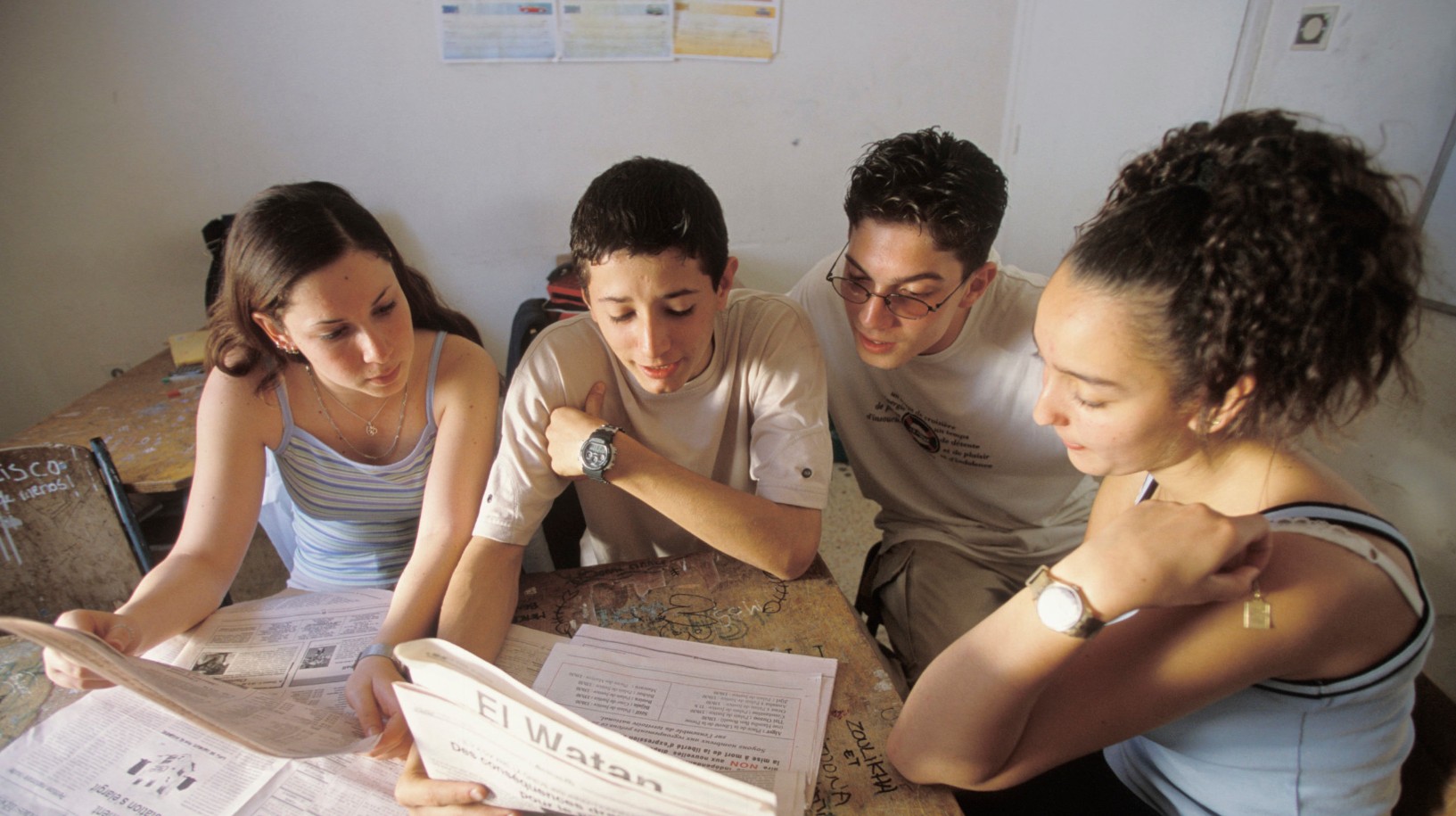
The classroom was unusually quiet that afternoon. A teacher asked a simple question: “So, what do you want to be someday?” A few students stared at their desks. Others laughed nervously. Someone muttered, “Anything that pays well.” Moments like this happen everywhere, which is why tools like an ncae reviewer often end up passed around before big decisions. Not because students love reviewers, but because many are still trying to understand themselves.

Career planning feels heavy when self-knowledge is missing. It feels lighter, almost manageable, once skills and interests start making sense.

The Confusion Most Students Don’t Talk About

Many students don’t struggle because they lack options. They struggle because they have too many.

A student might be good at math, decent at writing, and curious about design. Teachers notice it. Parents notice it. The student? Still unsure. Should the focus be on STEM? ABM? HUMSS? Or something else entirely?

This is where frustration quietly builds. Not loud panic. Just small doubts that show up during late-night scrolling or awkward career talks at family gatherings.

Skills and Interests Are Not the Same Thing

This part surprises a lot of people.

Skills are what someone can do.
Interests are what someone likes doing.

They overlap sometimes. Sometimes they don’t. And that gap? That’s where confusion usually lives.

A student may have strong academic ability measured through General Scholastic Aptitude (GSA) but feel zero excitement about academic-heavy careers. Another might enjoy hands-on tasks and show strong Technical-Vocational Aptitude (TVA), yet feel pressured to choose something else because “that’s what smart students do.”

A Short Story Heard in the Faculty Room

There’s a story teachers like to share.

A quiet student once ranked high in logical reasoning and verbal skills. Everyone assumed law or engineering would be the path. During a guidance session, the student casually mentioned loving to fix broken radios at home. Old ones. Free ones. One other person gave up on it.

The Occupational Interest Inventory (OII) results leaned heavily toward technical and investigative roles. Suddenly, the picture changed. Not worse. Just clearer.

Why Self-Awareness Changes Everything

Career planning feels overwhelming when decisions feel random. It becomes easier when decisions feel personal.

Knowing strengths and interests helps students:

  • Narrow choices without panic
  • Explain decisions to parents with confidence
  • Avoid copying friends’ plans blindly
  • Feel ownership over their path

It’s not about finding a “perfect” career. It’s about reducing regret.

Understanding GSA, TVA, and OII Without the Stress

These terms often sound intimidating, but they’re not villains in the story.

General Scholastic Aptitude (GSA)

This looks at academic strengths like reasoning, comprehension, and problem-solving. It answers questions like:

  • Does this student handle abstract thinking well?
  • Are academic-heavy tasks manageable or draining?

Technical-Vocational Aptitude (TVA)

This focuses on practical and hands-on abilities. Things like:

  • Working with tools
  • Understanding mechanical or technical systems
  • Learning by doing, not just reading

Occupational Interest Inventory (OII)

This part listens to preferences. Not ability. Preference.

  • What activities feel engaging?
  • What environments feel comfortable?
  • What kind of work doesn’t feel like torture?

Together, these create a fuller picture. Not a label. A direction.

Why Guessing Usually Backfires

Some students guess their future the same way they guess exam answers. Sometimes it works. Often, it doesn’t.

A student might choose a track because:

  • Friends chose it
  • Parents suggested it
  • It “sounds impressive”
  • It promises money

Those reasons don’t always age well.

When skills and interests are ignored, motivation drops. Burnout sneaks in. Confidence quietly disappears. Suddenly, the problem isn’t ability anymore. It’s commitment.

Classroom Moments That Say a Lot

Teachers notice patterns.

The student who lights up during debates but struggles to stay awake in math-heavy lectures.
The one who asks endless “how does this work?” questions during shop class.
The student who organizes group projects naturally without being asked.

These moments matter. They are everyday hints pointing toward future paths.

Career Planning Is Easier When Choices Shrink

More choices don’t mean more freedom. Sometimes, they mean more anxiety.

Knowing skills and interests helps eliminate paths that don’t fit. That’s not limiting. That’s freeing.

Real Questions Students Quietly Ask

Students don’t always ask these out loud, but they think them:

  • “What if I’m good at something I don’t enjoy?”
  • “What if I enjoy something I’m not good at?”
  • “What if I disappoint someone with my choice?”
  • “What if I change my mind later?”

These questions don’t disappear with answers. They soften with understanding.

When Skills and Interests Don’t Match Perfectly

This happens more often than people admit.

A student might love art but show stronger analytical skills. Or enjoy hands-on work but perform well academically. This doesn’t mean something is wrong.

It means balance is needed.

Some careers mix both sides. Others allow hobbies to stay hobbies. The goal isn’t perfection. It’s sustainability.

Community Impact Starts With Informed Choices

When students choose paths aligned with who they are, communities feel it.

Schools see:

  • Higher engagement
  • Fewer dropouts
  • Better classroom energy

Families see:

  • Less conflict
  • More meaningful conversations
  • Clearer goals

Communities benefit from people who don’t feel trapped in roles they never wanted.

How Teachers and Parents Can Support the Process

Career planning shouldn’t feel like an interrogation.

Helpful approaches include:

  • Asking open-ended questions
  • Listening without correcting immediately
  • Sharing observations, not commands
  • Encouraging exploration, not locking decisions

Support doesn’t mean steering. It means walking alongside.

Small Steps That Make a Big Difference

Career clarity doesn’t arrive all at once. It shows up in pieces.

Some helpful steps:

  • Reflecting on favorite school activities
  • Noticing what drains energy versus gives energy
  • Talking to people in different fields
  • Using tools like aptitude and interest assessments wisely

No rush. No pressure. Just progress.

Why “It’s Okay Not to Know Yet” Matters

This sentence alone lowers stress levels.

Career planning is not a race. It’s a process. Some students know early. Others discover later. Both paths are valid.

Understanding skills and interests doesn’t lock someone into a future. It simply gives a better starting point.

When Confidence Replaces Fear

There’s a visible change when students understand themselves.

They speak differently about the future. Less guessing. More intention. Even uncertainty sounds calmer.

Instead of “I don’t know what to do,” it becomes, “This seems like a good fit for now.”

A Friendly Takeaway to Sit With

Career planning becomes easier when it stops being about pressure and starts being about clarity.

Knowing skills through tools like General Scholastic Aptitude (GSA) and Technical-Vocational Aptitude (TVA), and understanding interests through Occupational Interest Inventory (OII), helps students move forward without panic. Not perfectly. Just honestly.

The future doesn’t need a final answer today. It just needs a direction that feels right enough to take the next step.
Share:

Leave a Reply