
Strength for the Semester: Inspirational Quotes and Practical Tips for Busy Students
The academic journey is less of a sprint and more of a demanding marathon, punctuated by exhilarating highs of achievement and inevitable lows of exhaustion. Every student, at some point, confronts that daunting mid-semester slump where deadlines converge like a gathering storm, motivation dwindles, and the very thought of opening another textbook feels monumental. If you’re currently navigating that space, know this: you are absolutely not alone, and this feeling is a temporary detour, not a permanent destination. Strength isn’t about being superhuman; it’s about acknowledging the struggle and finding the resilience to keep moving forward, even when your steps are small.
It’s during these challenging phases that leaning on reliable supports is crucial. Recognizing when the burden is too great and seeking assistance isn’t a sign of weakness; it’s a strategic decision for success. Finding trustworthy people to write my assignment can be a transformative step, especially when multiple deadlines are competing for your attention. Companies like Myassignmenthelp offer professional academic assistance, helping you manage your workload responsibly and ensure you submit high-quality work without sacrificing your well-being. This kind of support allows you to reclaim valuable time for rest, revision, and reconnecting with the reasons you embarked on this academic path in the first place.
This article is crafted for every undergraduate navigating the demands of higher education globally. It’s a blend of practical strategies and timeless wisdom designed to help you rediscover your drive and navigate the semester with renewed purpose and strength.
The Power of Purpose: Reconnecting with Your ‘Why’
When your to-do list seems insurmountable and your energy is low, it’s easy to lose sight of the bigger picture. Why are you studying what you’re studying? What impact do you hope to make? What future do you envision for yourself? Reconnecting with your core motivation can be incredibly powerful. It’s the intrinsic drive that fuels your persistence when external rewards feel distant.
Perhaps you’re driven by a passion for discovery, a desire to solve complex problems, a commitment to helping others, or the ambition to build a successful career. Whatever your ‘why’ is, make it tangible. Write it down and place it somewhere you’ll see it every day – on your desk, your bathroom mirror, or as your phone background. During difficult moments, look at this reminder. It can serve as an anchor, grounding you when the academic waves threaten to overwhelm.
“The future belongs to those who believe in the beauty of their dreams.” – Eleanor Roosevelt
Think of your current studies as necessary steps toward that beautiful dream. Every lecture attended, every assignment completed (even the ones that felt impossible), and every exam taken is contributing to the foundation of your future. Acknowledge the significance of your efforts, no matter how small they might seem in the moment.
Mastering the Maze: Practical Time and Energy Management
Strength isn’t just about willpower; it’s about working smarter, not harder. Poor time management is a primary source of student stress, leading to last-minute cramming and burnout. Combat this by implementing practical strategies:
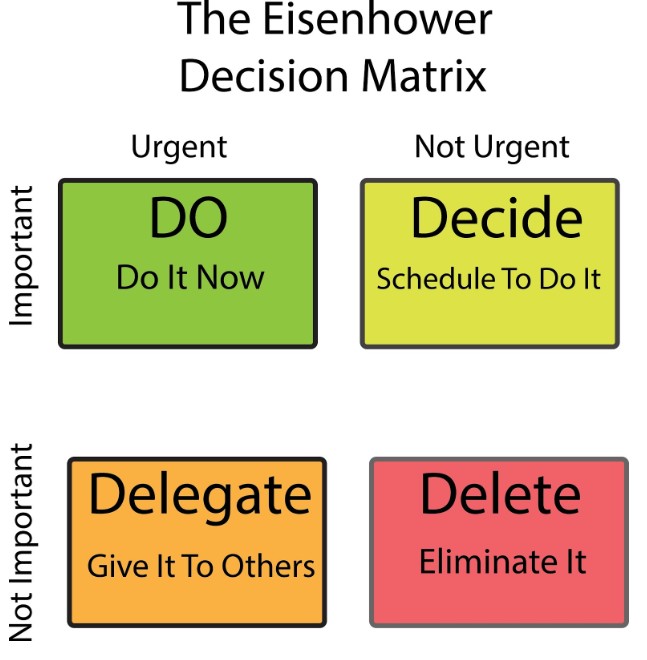
- Embrace Radical Prioritization (The Eisenhower Matrix)
Not all tasks are created equal. Use the Eisenhower Matrix to categorize your to-do list:
- Urgent & Important: Do these immediately (e.g., an assignment due tomorrow).
- Important, but Not Urgent: Schedule these for focused work (e.g., long-term research, exercise, skill development). This is where real progress is made.
- Urgent, but Not Important: Delegate or minimize these (e.g., some emails, unnecessary interruptions).
- Neither Urgent Nor Important: Delete or eliminate these (e.g., excessive social media scrolling, binge-watching shows during peak study hours).
- Tame the Procrastination Beast with Timeboxing
Instead of facing a massive task like “Write Research Paper,” break it down into much smaller, manageable chunks. Allocate specific time boxes (e.g., 25 or 50 minutes) for each sub-task:
- Timebox 1: Brainstorm 3 potential research topics (25 mins).
- Timebox 2: Find and save 5 relevant articles (50 mins).
- Timebox 3: Read and take notes on Article 1 (50 mins).
Use techniques like the Pomodoro Technique (25 minutes of focused work, followed by a 5-minute break) to maintain focus and prevent mental fatigue.
- Optimize Your Environment
Your physical and digital workspace significantly impacts your productivity. Minimize distractions by silencing notifications, using website blockers during study sessions, and organizing your physical space. A cluttered desk often reflects a cluttered mind. Create a dedicated study zone that signals to your brain that it’s time to focus.
Navigating Academic Challenges Responsibility
University life demands critical thinking and independent work, but it also tests your ability to handle multiple complex tasks simultaneously. There will be times when despite your best planning efforts, the sheer volume of work feels unmanageable. It might be due to personal circumstances, illness, or simply a particularly heavy load of challenging subjects.
During these crunch periods, it’s essential to explore responsible academic solutions. Seeking legitimate resources and supports is part of being an effective student. Many universities offer academic support centres, writing labs, and tutoring services. Furthermore, there are professional academic assistance platforms available globally. If you find yourself completely overwhelmed, you can responsibly buy assignment online through reputable services such as Myassignmenthelp. This can provide much-needed relief by offering professionally researched and structured papers which you can use as a high-quality reference tool or to understand complex topics, helping you to manage your deadlines effectively without compromising academic integrity. It allows you to focus your limited energy on areas where you can be most productive or catch up on other critical subjects.
“It’s not whether you get knocked down; it’s whether you get up.” – Vince Lombardi
Seeking help isn’t about giving up; it’s about strategically getting back up and ensuring you continue progressing towards your academic goals.
The Foundation of Strength: Prioritizing Your Well-being
You cannot pour from an empty cup. Sustaining strength throughout the semester requires prioritizing your physical and mental well-being. It’s not selfish; it’s fundamental to your ability to perform academically.
The Pillars of Student Wellness
| Wellness Area | Practical Tips for Busy Students |
| Sleep | Aim for 7-9 hours of consistent sleep. Establish a relaxing bedtime routine. Sleep is when memory consolidation happens! |
| Nutrition | Fuel your brain with balanced meals. Don’t rely solely on caffeine and sugar. Stay hydrated throughout the day. |
| Movement | Incorporate regular physical activity. Even a brisk 20-minute walk can boost mood, energy, and cognitive function. |
| Connection | Spend time with supportive friends and family. Social connection reduces stress and provides emotional grounding. Don’t isolate yourself. |
| Mindfulness | Practice brief meditation or deep breathing exercises, especially during high-stress periods like exam week. |
Listen to your body. Rest when you are tired. A short, planned break is infinitely more productive than attempting to work while utterly exhausted, which often leads to errors and frustration.
Cultivating Resilience: Embracing the Process and Learning from Failure
Higher education is inherently challenging, and setbacks are inevitable. You might not get the grade you expected, an experiment might fail, or you might struggle to grasp a difficult concept. True strength lies in resilience – the ability to bounce back from these challenges and use them as opportunities for growth.
Instead of viewing a disappointing result as a reflection of your worth, treat it as data. Analyze what went wrong: Did you misunderstand the prompt? Did you manage your time poorly? Were your study methods ineffective? Ask for feedback from professors or TAs. This reflective process transforms failures into invaluable learning experiences.
Remember that learning is often messy, frustrating, and nonlinear. Be patient and kind to yourself during the process.
“Perseverance is not a long race; it is many short races one after the other.” – Walter Elliot
Celebrate your small victories. Finishing a tough chapter, submitting an assignment on time, or finally understanding a complex formula are all achievements worth acknowledging. Recognizing your progress reinforces your capability and motivates you to tackle the next challenge.
Strategies for Building Academic Resilience:
- Develop a Growth Mindset: Believe that your abilities can be developed through dedication and hard work. View challenges as opportunities to learn rather than threats.
- Practice Self-Compassion: Treat yourself with the same kindness and understanding you would offer a friend. Avoid harsh self-criticism.
- Build a Support Network: Connect with classmates, mentors, and academic advisors. Sharing experiences and seeking advice can make the journey less isolating.
- Maintain Perspective: A single exam or assignment grade does not define your entire future. Look beyond the immediate challenge to the long-term journey.
Conclusion: Your Strength is Within
As you navigate the twists and turns of the semester, remember that resilience isn’t a fixed trait; it’s a muscle that gets stronger with exercise. The strength you seek is already within you, forged through every challenge you’ve overcome and every effort you’ve made. Lean on your purpose, manage your time and energy with wisdom, prioritize your well-being, and don’t hesitate to seek support when needed.
The academic journey is demanding, yes, but it is also profoundly transformative. Embrace the process, celebrate your progress, and trust in your ability to persevere. You have the strength not just to survive the semester, but to thrive in it and emerge stronger, wiser, and more capable than before. Keep moving forward, step by courageous step.
Frequently Asked Questions (FAQ) for Global Undergraduates
Q: I feel completely overwhelmed and burnt out. What’s the very first step I should take?
A: First, acknowledge that burnout is real and common. Stop trying to push through it. Take a deliberate, work-free break (even just for a few hours or a whole evening) to rest and disconnect. Then, focus on the absolute smallest, easiest task you can accomplish to build momentum, or seek support from a friend, family member, or university wellness services.
Q: How can I responsibly use academic assistance services like Myassignmenthelp?
A: Use completed assignments obtained through these services as study guides, reference material for structuring your own work, or to understand complex topics more deeply. Always cite your sources appropriately and check your university’s specific academic integrity policies.
Q: My motivation has vanished. How do I get it back?
A: Don’t rely solely on feeling motivated to start. Action often creates motivation. Reconnect with your ‘why’ (your long-term goals). Break your tasks into tiny steps and commit to working on just one for 10 minutes. Often, once you start, the motivation to continue follows.
Q: How do I handle a disappointing grade without feeling like a failure?
A: A single grade is data, not a definition of you. Give yourself a brief moment to feel disappointed, then shift to analysis. Seek feedback to understand where you can improve and use that information to refine your approach for the next assessment. View it as a temporary setback and a learning opportunity.
Q: I have trouble sleeping during stressful times. Any quick tips?
A: Avoid screens (phones, laptops) at least an hour before bed. Create a simple, consistent winding-down routine (e.g., reading a physical book, light stretching, listening to calm music). Avoid caffeine late in the day and try to keep your sleep environment cool and dark. Consistency is key.
About The Author
I’m Michael Johnson, a dedicated academic consultant and content strategist with over a decade of experience in the higher education sector. Throughout my career, I’ve been passionate about bridging the gap between complex academic requirements and student success. My work is centered on helping learners navigate the pressures of university life by providing clear, actionable guidance and high-quality educational resources.