The way people access healthcare has changed dramatically over the past decade. With the rise of digital health platforms, patients now have more choices than ever when it comes to seeking medical advice. Two of the most common options today are traditional in-office visits and online consultations. Each has its own set of advantages and limitations, and understanding the differences can help patients make informed decisions about their care.
What Are In-Office Visits?
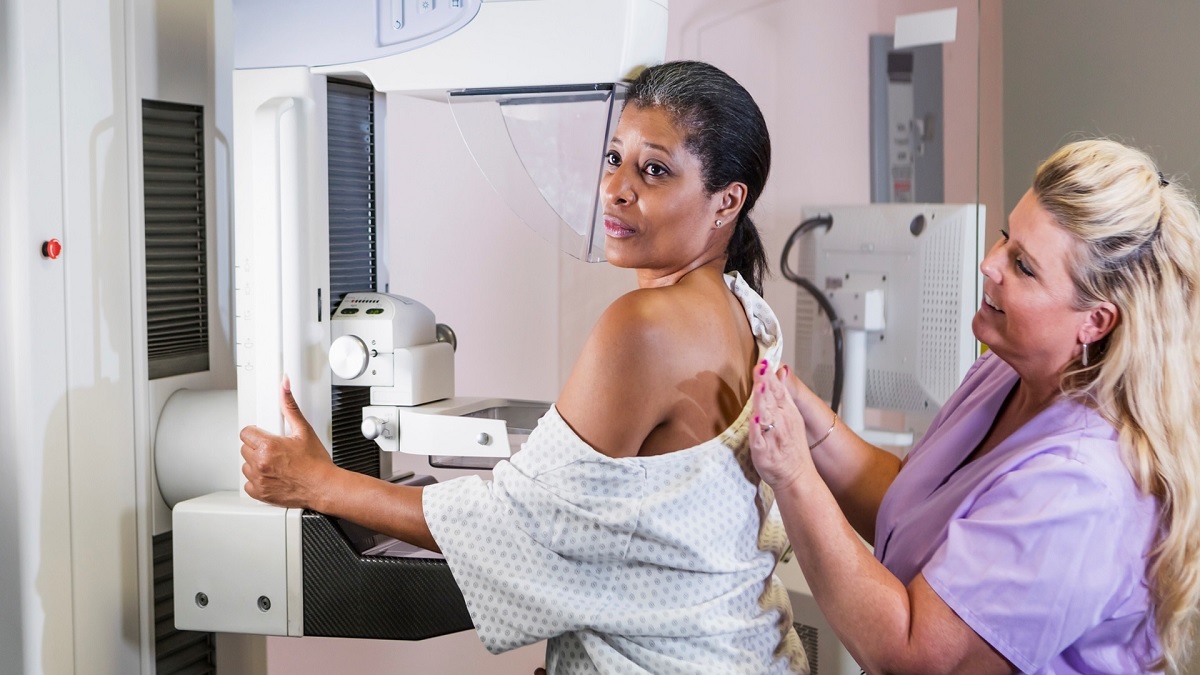
In-office visits involve physically traveling to a healthcare facility to meet with a doctor or specialist face-to-face. This traditional model has been the cornerstone of healthcare delivery for centuries. During these visits, physicians can conduct hands-on physical examinations, order on-site diagnostic tests, and provide immediate, tangible care. For many patients, especially those dealing with complex or serious conditions, the in-person experience remains indispensable.
What Are Online Consultations?
Online consultations, also known as telemedicine or telehealth appointments, allow patients to connect with healthcare providers remotely using video calls, phone calls, or messaging platforms. Services like Vosita have made it easier than ever for patients to book virtual appointments with licensed professionals, eliminating the need to travel, sit in waiting rooms, or rearrange entire schedules for a single appointment. These consultations are conducted through secure digital platforms that protect patient privacy and ensure continuity of care.
Convenience and Accessibility
One of the most significant advantages of online consultations is convenience. Patients living in rural or underserved areas often struggle to access specialist care, and telemedicine bridges that gap effectively. Similarly, individuals with mobility challenges, busy work schedules, or caregiving responsibilities find virtual appointments far easier to manage.
In-office visits, while less flexible, offer their own form of accessibility. Walk-in clinics and urgent care centers can accommodate patients without prior appointments, and for those who prefer a more personal, human connection with their provider, face-to-face interaction remains the preferred choice.
Quality of Care
A common concern about virtual healthcare is whether the quality of care matches that of in-person visits. For many conditions — including mental health consultations, follow-up appointments, prescription management, and minor illnesses — online consultations are just as effective as in-office visits. Studies have shown high levels of patient satisfaction with telemedicine services, particularly for routine and non-emergency care.
However, in-office visits maintain a clear advantage when physical examination is necessary. A doctor assessing chest pain, examining a skin condition in detail, or evaluating a potential fracture needs to be physically present. Certain diagnostic procedures simply cannot be replicated remotely, making in-person care essential for more complex medical situations.
Cost Considerations
Cost is another factor worth examining. In many cases, online consultations are more affordable than in-office visits. They eliminate transportation costs, reduce time away from work, and often carry lower consultation fees. Platforms like Vosita help make healthcare more financially accessible by offering transparent pricing and a straightforward booking process that removes many of the administrative burdens associated with traditional healthcare.
In-office visits, on the other hand, may involve higher overhead costs for both providers and patients, particularly when specialist visits, facility fees, or extended wait times are factored in. That said, insurance coverage for telemedicine has expanded significantly in recent years, making the cost comparison more nuanced depending on individual circumstances.
Privacy and Comfort
Online consultations offer a degree of privacy that some patients find reassuring. Discussing sensitive health issues from the comfort of one’s own home can reduce anxiety and encourage more open communication with healthcare providers. Patients who might otherwise delay or avoid seeking care due to embarrassment or stigma — particularly around mental health or sexual health — are more likely to reach out when virtual options are available.
In-office visits, meanwhile, provide a clinical environment that some patients associate with credibility and thoroughness. The physical presence of medical equipment, professional staff, and a structured environment can instill confidence in the care being received.
When to Choose Which Option
Choosing between an in-office visit and an online consultation ultimately depends on the nature of the health concern. For routine checkups, prescription renewals, mental health support, minor illnesses, and follow-up care, online consultations are often the more practical and efficient option. For emergencies, complex diagnoses, surgical consultations, or any situation requiring physical examination or lab work, in-office visits remain the standard of care.
Many modern healthcare providers and platforms, including Vosita, now offer hybrid models that allow patients to start with a virtual consultation and transition to in-person care when necessary. This integrated approach represents the future of healthcare — one that prioritizes patient convenience without compromising clinical quality.
The Future of Healthcare Delivery
The debate between in-office visits and online consultations is not really about which one is better. Rather, it is about recognizing that both serve important and complementary roles in a comprehensive healthcare system. As technology continues to advance and patient expectations evolve, the healthcare industry will increasingly rely on a blended model that leverages the strengths of both approaches.
Platforms like Vosita are at the forefront of this shift, empowering patients to take control of their healthcare journey by offering flexible, accessible, and high-quality virtual care options. By understanding the unique benefits and limitations of each consultation type, patients can make smarter, more confident decisions about how and when to seek the care they need.