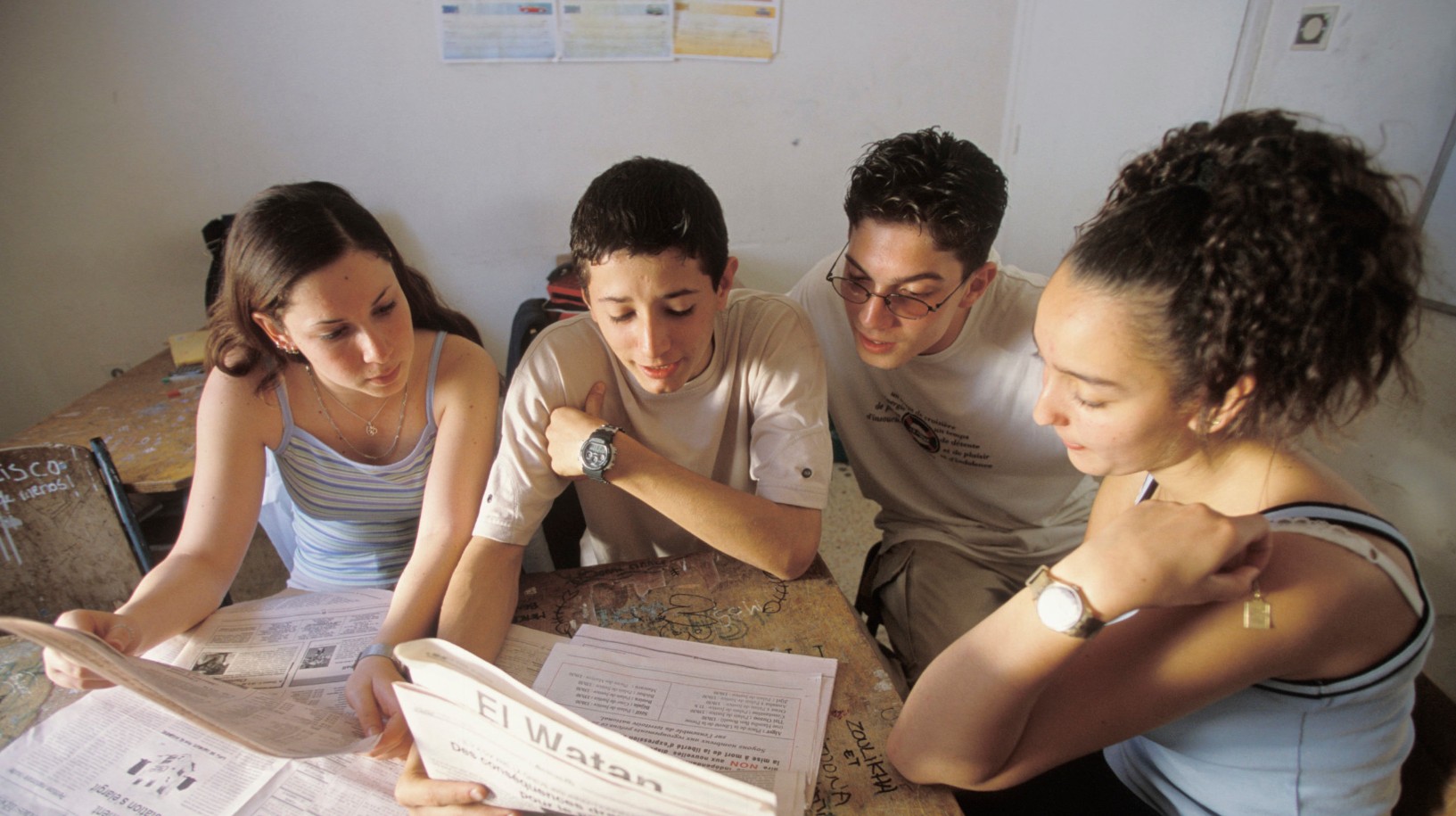
In an educational landscape increasingly shaped by technology and evolving student needs, critical thinking stands out as one of the most essential skills to cultivate in learners. It’s more than just problem-solving or answering multiple-choice questions — it’s about curiosity, logic, reasoning, and informed decision-making. Teachers who want to create dynamic, inquiry-driven classrooms must be equipped with strategies that inspire students to ask meaningful questions and explore ideas beyond surface-level understanding.
Why Critical Thinking Matters More Than Ever
The world is flooded with information, and not all of it is accurate. Developing the ability to distinguish between reliable and misleading content is a foundational skill in both academic and real-world contexts. This is where critical thinking becomes not just a classroom skill but a life skill.
Encouraging Question-Driven Learning
Students who ask questions tend to retain information better and connect ideas more effectively. Encouraging a question-first environment nurtures a sense of ownership and engagement.
Supporting Independent Thought
A strong critical thinking foundation allows students to form opinions backed by evidence. Whether they’re evaluating a news article or crafting an argument, the ability to think independently empowers learners to participate actively in civic and social discourse.
Bridging Disciplines
Critical thinking is not exclusive to one subject. Whether students are in science, math, literature, or history classes, reasoning and analysis play a role. For example, analyzing primary sources in social studies or hypothesizing outcomes in science labs requires similar mental frameworks.
Classroom Techniques to Spark Thoughtful Dialogue
The way a teacher frames discussions can influence the depth of thinking that follows. Open-ended questions, case studies, and group discussions are effective tools to enhance cognitive engagement.
Use Real-World Scenarios
Applying classroom content to real-life situations prompts students to make connections between theory and practice. For example, instead of simply teaching economic principles, present students with a scenario about budgeting for a school event and ask them to prioritize spending.
Socratic Seminars and Peer Debate
Structured discussions help students learn to listen, respond respectfully, and refine their arguments. In a Socratic seminar, the teacher acts as a facilitator, encouraging students to build on each other’s ideas rather than simply voicing individual opinions.
Visible Thinking Routines
Strategies like “See, Think, Wonder” or “Claim, Evidence, Reasoning” offer frameworks that students can use repeatedly across subjects. These habits help learners slow down, observe closely, and support their thoughts with logic.
Lists That Enrich the Learning Environment
Here are some helpful prompts and ideas that aren’t directly about critical thinking, but support the classroom culture where it thrives:
Books That Spark Great Classroom Discussions:
- Wonder by R.J. Palacio
- The Giver by Lois Lowry
- Out of My Mind by Sharon M. Draper
- Hidden Figures by Margot Lee Shetterly (Young Readers Edition)
Podcasts for Teachers to Stay Inspired:
- Cult of Pedagogy
- Teaching in Higher Ed
- Truth for Teachers
- The EdSurge Podcast
These resources offer insights into pedagogy, motivation, and learning theory — useful companions when building a critically engaged classroom.
Integrating Critical Thinking Into Lesson Design
Well-designed lesson plans can be a powerful vehicle for promoting thought, inquiry, and reflection.
Start with an Essential Question
Framing each lesson around a big question such as “What makes a society fair?” or “How do we measure success?” sets the tone for deeper exploration. It encourages students to seek more than just the “right answer.”
Include Reflective Elements
At the end of a unit or project, ask students to journal about what challenged them most, how their thinking changed, and what questions they still have. Reflection makes the learning process more meaningful and personal.
Scaffold Arguments and Reasoning
Not all students will arrive in class ready to construct complex arguments. Use sentence starters like “I believe ___ because…” or “Another perspective could be…” to help students articulate ideas more confidently.
The Role of Hands-On Learning
Tactile, interactive learning environments reinforce critical thinking by engaging multiple senses and allowing students to test ideas in a safe space.
Project-Based Learning
Projects give students a chance to explore problems with no single correct answer. Whether they’re designing a sustainable garden or running a mock election, these activities combine creativity, collaboration, and higher-order thinking.
Simulations and Role Play
Placing students in historical or hypothetical roles fosters empathy and decision-making. A mock trial, for instance, helps learners weigh evidence and consider diverse viewpoints.
Interactive Models and Tools
Manipulatives and educational kits can deepen understanding of complex topics. Visualizing systems like the water cycle, circuits, or even plant cells can enhance comprehension and spark “what if” questions that lead to critical inquiry.
For example, tools like those available from Nasco Education provide hands-on learning materials that can complement critical thinking instruction across a variety of subjects.
Strategies for Assessment
Assessing critical thinking requires more than standardized testing. It involves observing process, reasoning, and student expression.
Use Rubrics That Emphasize Process
A strong rubric should assess not only final answers but also the reasoning and steps taken to reach conclusions. Criteria like clarity of argument, use of evidence, and consideration of opposing views are essential.
Portfolio-Based Assessment
Allowing students to curate work over time reveals growth in reasoning and reflection. Portfolios might include essays, lab reports, multimedia presentations, and personal reflections.
Self and Peer Review
Encouraging students to evaluate each other’s work fosters metacognition and develops their own analytical skills. Guiding questions like “What’s one strength and one area for growth in your peer’s argument?” can keep feedback constructive and specific.
Cultivating a Growth Mindset Around Thinking
To make critical thinking sustainable, students must see it as something that can be practiced and improved.
Normalize Mistakes
Emphasize that trial and error is part of learning. Mistakes should be reframed as opportunities to rethink, revise, and grow.
Praise Effort, Not Just Accuracy
Comments like “You really took time to analyze both sides” or “I like how you revised your thinking after hearing a different view” highlight the process rather than the outcome.
Provide Varied Thinking Opportunities
Every student brings a different set of strengths. Use visual prompts, verbal discussions, and physical tasks to ensure all learners engage with the material in ways that suit them.
Creating the Right Environment
The learning environment plays a crucial role in fostering thoughtfulness. Consider how space, culture, and relationships influence student comfort and confidence.
Ideas to Make the Classroom a Thinking Space:
- Display thought-provoking quotes and student-generated questions on a dedicated wall
- Keep materials like graphic organizers, sentence starters, and vocabulary charts accessible
- Encourage group seating arrangements to support collaboration
Non-Instructional Practices That Help:
- Begin class with a “thinking warm-up” such as a riddle or visual prompt
- End the week with a student-led summary of what was learned and discussed
- Keep journals or logs where students jot down new questions, terms, or moments of insight
Supporting Teachers and Schools
Developing a school culture that values critical thinking means supporting educators with resources and tools. Whether it’s through professional development or classroom kits like those from Nasco Education, empowering teachers is key to creating classrooms where thinking thrives.
Professional Learning Communities
When teachers work together to reflect on instruction, share strategies, and observe each other’s classes, the entire school benefits. These communities also support teacher well-being and confidence.
Resource Planning and Budgeting
Equipping classrooms with the right tools doesn’t have to be expensive, but it does require intentional planning. Whether it’s science lab kits, literature sets, or math manipulatives, strategic investment in hands-on materials boosts student outcomes.