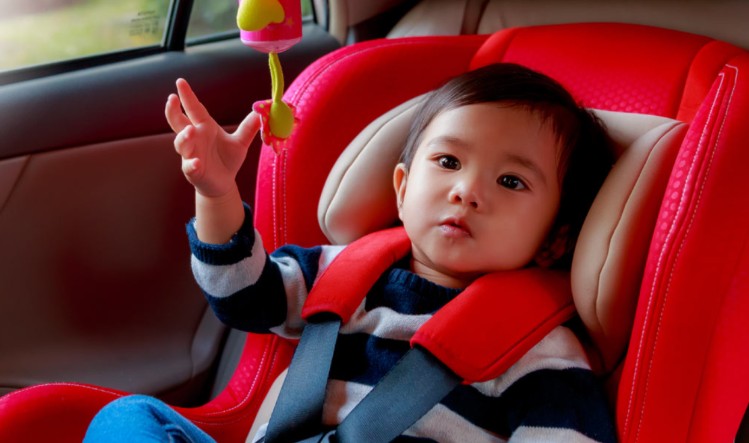
One of the most emotional moments in a parent’s life often happens quietly in a hospital parking lot. After days of anticipation, sleepless nights, and the overwhelming joy of welcoming a newborn into the world, parents prepare for the first journey home. The baby is carefully placed into a tiny seat in the back of the car, and suddenly the responsibility of protecting a new life feels incredibly real.
That first ride home marks the beginning of a long series of journeys shared between parents and children. From short errands to preschool drop-offs, car rides become part of everyday family life. Over the years, however, something important has changed in how parents approach these moments. Child car safety has evolved dramatically, shaped by new knowledge, technology, and a growing awareness of how vulnerable young passengers can be on the road.
The First Ride: A New Kind of Awareness
In previous generations, the idea of specialized travel protection for babies was far less common. Parents might have simply held their infant in their arms or placed them in a basic seat without much thought about crash dynamics or vehicle safety systems.
Today, that first ride home is approached very differently. Hospitals, pediatricians, and safety organizations emphasize the importance of properly securing newborns in appropriate seating systems before leaving the hospital. Many maternity wards even require parents to demonstrate correct installation before discharge.
This shift reflects a broader understanding that newborns are particularly fragile. Their neck muscles are still developing, their bones are soft, and their bodies cannot withstand sudden forces in the same way adults can. Modern safety awareness encourages parents to think carefully about how to protect infants from the very first day they travel.
The Toddler Years: Curiosity Meets Movement
As children grow from newborns into curious toddlers, car travel becomes more frequent and often more complicated. Toddlers are naturally energetic and curious, eager to explore their surroundings and interact with the world around them.
During this stage, car rides may involve daycare visits, family gatherings, playground trips, and grocery store runs. What once felt like occasional travel soon becomes part of daily routine.
At the same time, toddlers lack the understanding necessary to remain safely seated without guidance. They may attempt to move around, lean forward, or loosen restraints if given the opportunity. This is why modern parenting places strong emphasis on consistent travel habits that keep children safely positioned during every ride.
Parents today are far more aware that even low-speed city driving can create significant forces during sudden braking or minor collisions. As a result, they are increasingly focused on ensuring that children remain protected during all types of journeys, not just long-distance trips.
Preschool Age: Growing Independence
By the time children reach preschool age, their world has expanded considerably. They may attend early education programs, participate in sports or creative classes, and join family outings that involve longer car rides.
This stage often introduces new travel routines, including daily school drop-offs and pickups. While children are becoming more independent, they still rely heavily on adults to maintain safe travel practices.
At this point, parents begin to teach children about safety as part of everyday behavior. Just as children learn to look both ways before crossing the street, they also learn the importance of sitting properly during car rides and remaining securely positioned.
The role of the parent gradually shifts from simply protecting the child to also educating them about safe habits. This early education helps children develop a lifelong awareness of road safety.
Knowledge Is Transforming Parenting
One of the biggest drivers behind the evolution of child car safety is access to information. Modern parents have unprecedented access to safety research, parenting communities, and expert recommendations.
Online platforms, pediatric health resources, and transportation safety organizations regularly share updated guidance about child passenger protection. These resources help parents understand the importance of selecting appropriate travel equipment, maintaining proper seating positions, and following recommended safety practices.
For parents who want to deepen their understanding of these topics, educational resources can be incredibly valuable. Parents looking for deeper information on safe travel practices can visit https://babyhillsthailand.com/car-seat-for-baby/ where practical guidance and safety insights are available to help families make informed decisions about traveling with children.
Safety as Part of Everyday Parenting
Perhaps the most important change in modern parenting is the idea that travel safety is not an occasional concern but a daily responsibility. Just like healthy eating, proper sleep routines, and education, protecting children during transportation is now seen as an essential part of raising a child.
Parents today recognize that safety is built through habits. Placing children in proper restraints, checking positioning before every ride, and maintaining awareness while driving all contribute to a safer environment for young passengers.
These small but consistent actions help reduce the risks associated with everyday travel and reinforce the importance of responsible mobility within the family.
Looking Toward the Future
As technology continues to improve and awareness spreads, the future of child car safety will likely evolve even further. Vehicle manufacturers are already developing smarter safety systems, and educational initiatives are helping more families understand how to protect young passengers effectively.
What remains constant, however, is the emotional motivation behind these efforts. Every parent wants their child to grow up safe and healthy. From the first ride home from the hospital to the countless preschool trips that follow, each journey represents another opportunity to protect what matters most.
The evolution of child car safety reflects a broader transformation in parenting itself—one that prioritizes knowledge, responsibility, and care. And as families continue to learn and adapt, the road ahead becomes safer for the youngest passengers traveling through it.