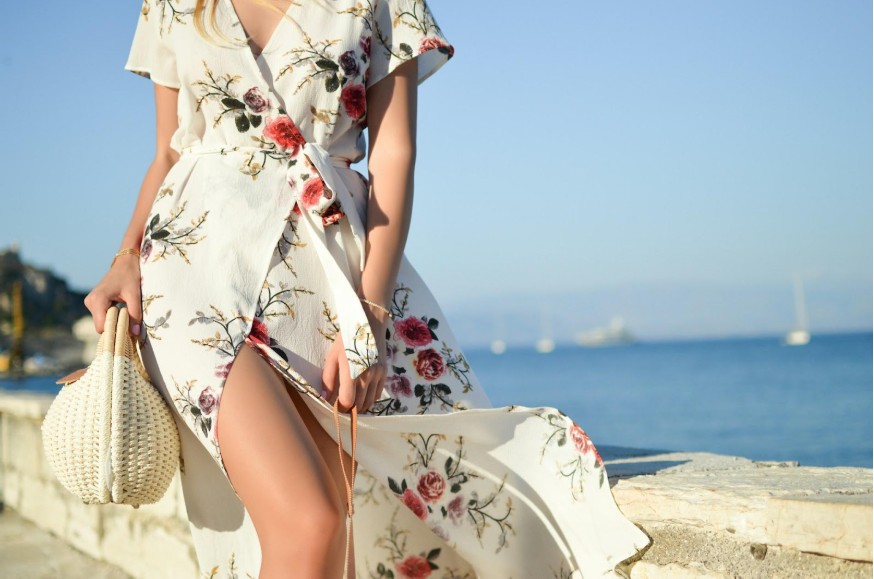
Summer clothing used to live in a narrow lane. It was designed for holidays, short outings, and moments when appearance took precedence over practicality. Over time, that division has blurred. Today, warm-weather wardrobes are built for movement, flexibility, and real life, not just scenery. Pieces like a beach shirt dress now move easily between settings, thrown on over swimwear, worn to lunch, or styled for travel, because summer living increasingly demands clothing that works across contexts rather than serving a single purpose.
This evolution didn’t happen because trends shifted overnight. It emerged from how people actually live in summer: longer days, mixed activities, and fewer clear boundaries between leisure and everyday routines. Clothing adapted accordingly.
How Materials Became Central to Summer Function
As summer clothing became more versatile, materials took on a more important role. Lightweight fabrics, breathable weaves, and finishes that handle heat and moisture well began to replace purely decorative choices. Function stopped being an afterthought and became part of the design brief.
This shift didn’t stay confined to garments alone. Accessories, carry-alls, and protective layers also evolved. In creative and practical circles, materials like jelly vinyl fabric gained attention for their ability to handle sand, water, and wear without sacrificing visual appeal. Transparent, wipe-clean, and flexible, these materials reflect the same priorities shaping summer clothing: durability, ease, and adaptability in unpredictable environments.
Summer Living Changed How Clothes Are Used
One of the biggest drivers behind functional summer fashion is how summer itself is experienced. A single day might involve travel, walking, swimming, eating out, and relaxing, all without returning home. Clothing that requires constant changing or careful handling simply doesn’t fit that rhythm.
As a result, summer pieces are expected to transition smoothly between activities. Dresses that dry quickly, layers that breathe, and accessories that tolerate exposure have replaced items designed only for short, static moments. Summer wardrobes now support lifestyles rather than dictate them.
The Decline of “Single-Moment” Fashion
Earlier summer trends often focused on creating a specific image: a beach look, a poolside look, a resort look. These outfits were visually distinct but limited in use. As priorities shifted toward practicality, single-moment fashion lost relevance.
Consumers began favouring items that could be styled multiple ways and worn repeatedly without concern. This didn’t mean sacrificing aesthetics; it meant redefining them. Visual appeal became linked to confidence and comfort rather than novelty.
Why Heat Forces Better Design Decisions
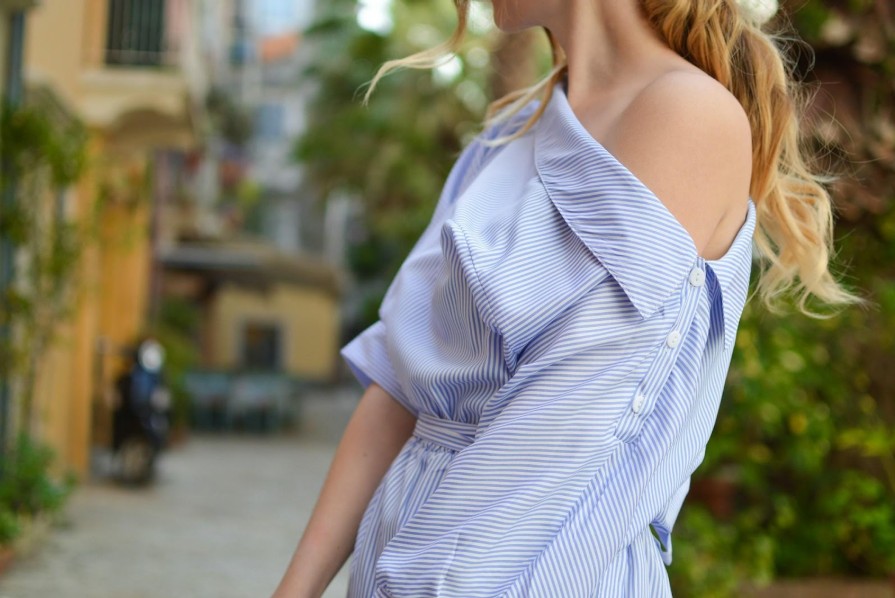
Heat is unforgiving. It quickly exposes flaws in design, heavy fabrics, poor ventilation, restrictive cuts. Summer clothing acts as a stress test for fashion, revealing what truly works.
Designers and consumers alike responded by valuing garments that feel good over time. Clothing that performs well in summer often performs well year-round, which explains why many functional summer trends have carried into broader wardrobes.
The Influence of Travel and Mobility
Travel has played a significant role in shaping functional summer style. Packing light, navigating different climates, and moving through varied environments demand clothing that earns its place.
Versatile pieces reduce the need for multiple outfits, simplifying both packing and daily decisions. This efficiency aligns with modern travel habits, where flexibility is valued more than formality.
DIY Culture and Practical Customisation
Another factor influencing summer fashion is the rise of DIY and customisation. People increasingly modify or create items that suit their specific needs, whether that’s adding pockets, reinforcing seams, or making accessories suited to beach conditions.
This hands-on approach encourages an appreciation for materials and construction. Fabrics and finishes that handle moisture, abrasion, and sunlight are favoured, reinforcing the move toward function-first design.
Sustainability as a Secondary Outcome
While not always the primary motivation, sustainability has benefited from this shift. Functional clothing tends to be worn more often and replaced less frequently. When items work across multiple situations, consumption naturally slows.
Durability and repeated use reduce waste, especially when garments and accessories are designed to withstand seasonal demands rather than short-lived trends.
How Comfort Became a Measure of Style
Perhaps the most notable change is how comfort itself became stylish. Feeling at ease in clothing is no longer seen as compromising on appearance. Instead, it signals confidence and practicality.
Summer accelerated this cultural change by making discomfort impossible to ignore. Clothing that restricts movement or causes irritation simply doesn’t survive long in warm conditions.
What Research Says About Functional Clothing
Research into clothing comfort and material performance supports this evolution. Studies summarised by the Textile Institute highlight how fabric choice, breathability, and moisture management directly affect wearability and user satisfaction, particularly in warm environments. Clothing designed around these principles consistently performs better across extended use.
This evidence reinforces why functional summer clothing isn’t a compromise, it’s an improvement.
Summer as a Design Filter
Summer has effectively filtered fashion ideas through lived experience. What survives heat, movement, and repeated wear earns long-term relevance. What doesn’t fades quickly.
This process has reshaped expectations. Clothing is no longer judged solely by how it looks on first wear, but by how it performs over time.
Function as the New Foundation
From beachwear to everyday style, summer clothing became more functional because life demanded it. As routines blended and environments became less predictable, clothing evolved to support rather than constrain.
What began as a seasonal adjustment has influenced fashion more broadly. Function is no longer a niche consideration, it’s the foundation on which modern style is built.