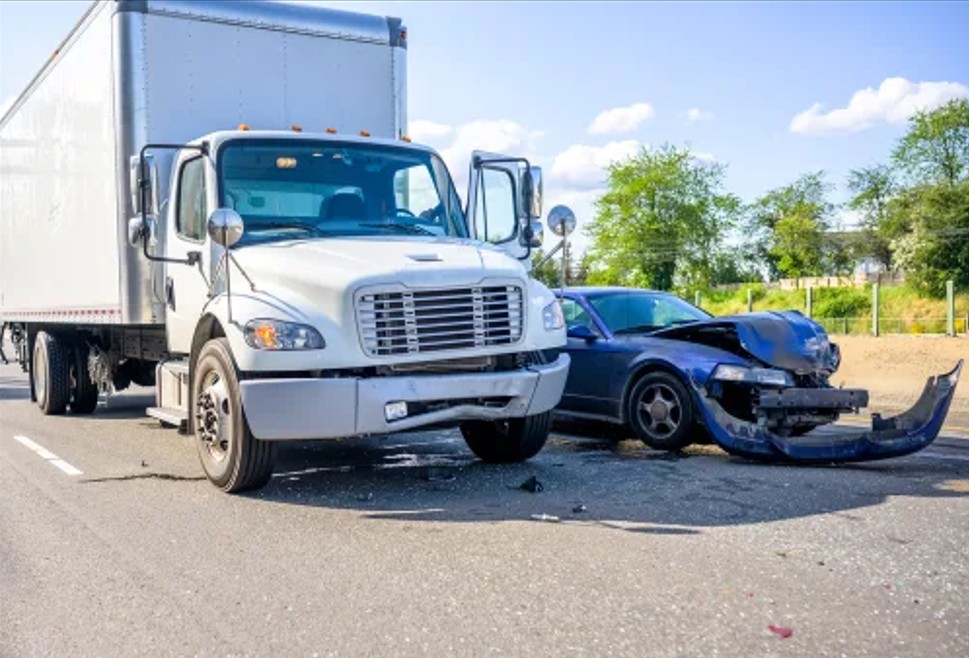
A truck crash can turn a normal day upside down in seconds. One loud hit, broken glass, a horn still sounding—then everything feels strange and slow. In Houston, that kind of crash often brings extra stress because trucks are large, heavy, and tied to company rules that most drivers never think about. The first hour matters more than most people expect. Not just for health, but for a legal claim too. Small choices made early can shape what happens months later.
First things first — get safe, then breathe
If the car can move, pull to a safe spot. If it cannot, stay inside if traffic makes stepping out risky. Turn on hazard lights. Call 911 right away. That sounds obvious, but people often freeze. It happens. A crash shakes your focus. A truck crash is not like a fender bender in a grocery lot. A loaded truck can weigh many times more than a car. Even a low-speed hit may cause hidden pain later—neck strain, back pain, even a head injury that feels small at first. When officers arrive, speak clearly. Keep facts short:
- where the crash happened
- what direction you drove
- what you saw before impact
Do not guess. Do not fill silence with extra details. If you are hurt, say so. Even if it seems minor.
Photos matter more than people think
Phones help a lot here. Take photos before cars move, if you can do it safely. Get wide shots first. Then close ones.
Photograph:
- all vehicles
- skid marks
- road signs
- lane lines
- truck company name
- license plate
- trailer number
That trailer number often matters later because many trucks belong to one company but haul loads for another. A truck claim can involve more than one business. Driver, trucking firm, cargo team, repair contractor—sometimes all of them point fingers at each other. That is why simple photos can become strong proof later. You know what? Even weather matters. If rain made roads slick, capture puddles or low visibility too.
Talk to witnesses before they leave
People leave fast after crashes. Five minutes later, that witness in the pickup truck may be gone.
Ask for:
- full name
- phone number
- what they saw
Keep it simple. A witness may remember the truck drifting, braking late, or changing lanes too fast. Small details fade quickly. And sometimes the most helpful witness is not dramatic at all. Just someone calm who saw the whole thing.
Be careful when speaking with the truck driver
Stay polite. Stay calm. Do not argue. Do not accuse.
Ask for:
- driver name
- insurance details
- employer name
- truck number
Federal trucking rules require many drivers to carry records tied to hours worked, route logs, and truck checks. Those records can later show fatigue or skipped safety checks. Still, roadside debate helps no one. If the driver says sorry, do not push the moment. If you say sorry, that may also be read badly later, even if you only mean basic politeness. That feels unfair, but claims often work that way.
A quick doctor visit can protect more than health
Some injuries hide for hours. Adrenaline masks pain. A sore shoulder may turn into sharp pain by night. A headache may grow worse the next day. Go to urgent care, an ER, or your doctor soon after the crash. Keep every paper they give you. Medical notes connect injury to the crash. That link matters in a claim. Without early records, insurers often ask, “How do we know this came from the crash?” That question comes up a lot. Even if you think, “I’ll be fine tomorrow,” get checked.
Insurance calls come early — too early, sometimes
The phone may ring within a day. An adjuster may sound friendly. Often they are polite, calm, and quick. Still, keep answers short.
Give:
- your name
- crash date
- vehicle involved
Do not give a recorded statement right away without thinking it through. Truck claims are not simple because company insurers often act fast. Their team may already review damage before you finish your first clinic visit. That sounds harsh, but it is routine.
Why truck claims are different from car claims
A truck claim usually means bigger records, bigger damage, and more rules. A truck may carry GPS data, brake data, driver logs, and repair files. Some of that can disappear if no one asks for it early. That is why many people call Schechter, Shaffer & Harris, LLP – Accident & Injury Attorneys soon after a serious crash. A seasoned Schechter, Shaffer & Harris, LLP – Accident & Injury Attorneys team often works like this: they request records fast, review police reports, and look for gaps in truck safety steps. If you need a Houston personal injury lawyer, timing matters because truck evidence can fade.
Keep receipts, even the small ones
People save hospital bills but forget other costs.
Keep receipts for:
- medicine
- towing
- rideshare trips
- brace supports
- missed work notes
A ten-dollar pharmacy slip may look tiny now. Later, small costs add up. Think of it like saving puzzle pieces. One piece alone means little. Together, they show the full picture.
Social media can quietly hurt a claim
This surprises many people. Posting “I’m okay” after a crash can later be used against you, even if you still hurt. Photos from dinner, sports, or travel may also be taken out of context. Best move? Stay quiet online for a while. That does not mean I fear everything. It just means being careful.
A calm file beats a rushed memory
Start one folder.
Put inside:
- police report
- photos
- doctor notes
- claim emails
- repair estimates
Days blur after a crash. A written file keeps facts straight. Honestly, that simple habit helps more than people expect.
When legal help becomes necessary
Not every crash needs a lawsuit. That is true. But if injuries are serious, if fault is disputed, or if a trucking company delays answers, legal practice help often becomes practical. Truck firms usually have trained claim staff. Victims should not face that alone when losses are large. In Houston, road traffic stays heavy year-round. Freight trucks pass through major routes every day, and crash cases often involve layered insurance issues. That is where firms like Schechter, Shaffer & Harris, LLP – Accident & Injury Attorneys are often mentioned because they focus on injury cases tied to truck wrecks and serious road harm. And yes, sometimes the strongest move is simply asking questions early before paperwork stacks up.
FAQs
1. Should I call the police even if the truck driver wants to settle privately?
Yes. Always call the police after a truck crash. A formal report helps fix the facts early. Private roadside deals often fail once damage or pain shows up later.
2. Can I still file a claim if pain starts the next day?
Yes. Delayed pain is common after a crash. See a doctor fast and explain when symptoms began. Medical notes help connect the injury to the collision.
3. What if the trucking company contacts me first?
Stay polite but careful. Share basic facts only. Do not agree to recorded statements or quick payment before you know your injuries and losses.
4. Does truck camera footage always exist?
Not always, but many trucks carry cameras or tracking tools. Some data may be erased if no one asks for it quickly, which is why early action matters.
5. When should I contact a lawyer after a truck crash?
As soon as injuries, major damage, or blame issues appear. Early legal help can protect records, witness details, and insurance deadlines before key proof slips away.