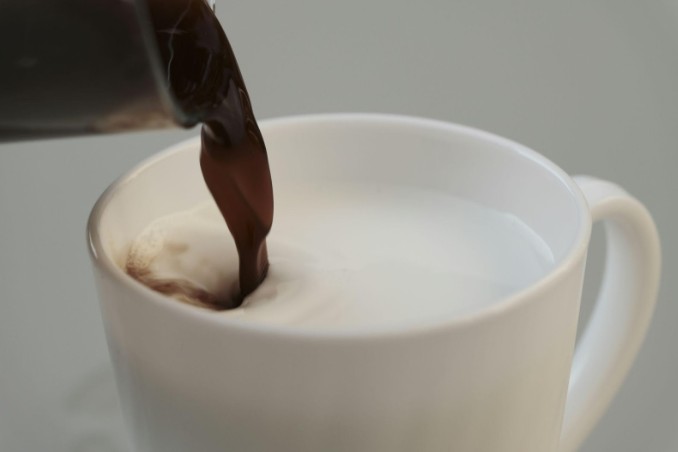
As interest in functional beverages grows, many people are curious not just about potential effects, but also about how these alternatives actually taste. For anyone considering options beyond traditional roast coffee, flavor often determines whether something becomes a daily habit or a one-time experiment. It’s common for first-time drinkers to wonder what does Ryze mushroom coffee taste like when comparing it to familiar coffee profiles. Taste matters because it shapes whether a drink feels like a true substitute for regular coffee or an entirely different experience, and that distinction plays a big role in how easily it fits into everyday routines.
Smoothness Over Intensity
Many modern coffee alternatives, including mushroom-enhanced blends, lean toward a smoother overall profile compared to traditional dark roast coffee. Users often describe Ryze mushroom coffee as less acidic and less bitter, with a rounded flavor that feels approachable even for those who are sensitive to conventional coffee strength.
This smoother sensation doesn’t necessarily mean weaker, rather, it often reflects balanced extraction and the influence of added ingredients that moderate sharp edges.
Earthy and Subtle Notes
Functional coffee alternatives frequently include extracts from mushrooms such as lion’s mane, chaga, or reishi. These components introduce earthy undertones that are not typically present in pure coffee. Rather than dominating the flavor, these notes are usually subtle, similar to how nuts or grains might influence taste in blended beverages.
The result often feels like a layered cup: familiar coffee body with a rounded, nuanced backdrop.
Familiar Coffee Characteristics Remain
Despite the added functional ingredients, many users report that the core characteristics of coffee, such as its body and warmth, remain familiar. The mushroom elements tend to enhance texture rather than replace it, so a mushroom coffee blend can often be enjoyed similarly to a medium roast.
This continuity makes it easier for people to transition from regular coffee without feeling like they’ve given up an experience they enjoy.
Creaminess and Aftertaste
Many coffee drinkers appreciate a pleasant finish, a lingering taste that feels balanced rather than sharp or acrid. Mushroom coffee blends often produce a creamier aftertaste, which some people find smoother than high-acidity roasts.
For those who add milk, cream, or plant-based alternatives, this softness in the base brew often integrates well, allowing customization without conflict between flavor notes.
Temperature and Extraction Matter
As with any coffee beverage, the final taste profile is influenced by how it’s prepared. Water temperature, grind size, brewing method, and even time of steep can change the expression of flavor. Mushroom coffee blends are generally designed to be versatile across drip, pour-over, or French press methods, but individual preferences will vary.
Experimenting with preparation can help users find a balance that emphasizes smoothness, depth, or brightness depending on their palate.
Sweetness and Add-Ins
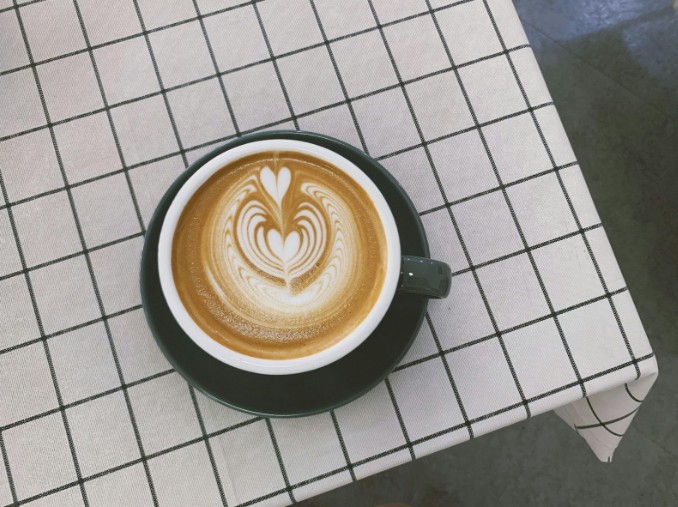
Photo by Yue Iris on Unsplash
Some people choose to add sweeteners, spices (such as cinnamon or cardamom), or milk alternatives to their coffee. Because mushroom coffee tends to be less bitter and acidic, it often pairs well with lighter sweetening or flavoring approaches, allowing the subtler notes to shine rather than being masked.
This flexibility supports a wide range of taste preferences without relying on excessive sugar or flavoring.
How Taste Influences Habit Formation
Flavor perception is tightly linked to habit. People are more likely to repeat a behavior if the sensory experience feels rewarding, familiar, or pleasantly novel. When an alternative coffee introduces new notes without alienating beloved features, like aroma, warmth, and mouthfeel, it becomes easier to integrate into daily life.
Taste also interacts with expectations. If someone anticipates a radically different experience but finds the flavor approachable, the adjustment period shortens significantly.
Scientific and Sensory Perspectives
Research into sensory perception highlights how context shapes taste experience. The same beverage can taste different depending on expectations, environment, and prior experiences. When people approach functional coffee alternatives with curiosity rather than comparison, they may notice qualities they genuinely enjoy rather than focusing on what’s “missing” from traditional coffee.
Organizations such as the Institute of Food Technologists emphasize that flavor perception is multi-dimensional, involving aroma, texture, and memory, factors that go beyond basic taste descriptors.